Understanding your artificial grass installation timeline
Start by separating the scheduled start date from the expected construction duration. An estimate, design decisions, material availability and crew scheduling all happen before installation begins. Ask for both an anticipated start window and an estimate of working days on site.
The three-day sequence below is an illustration, not a standard duration or a promised completion date. Some stages can happen on the same day; others may require several days. Yard size matters, but so do demolition, access, base preparation and drainage. A small backyard reached through a narrow gate can involve more handling than a larger, easily accessible space.
- Confirm the turf area, borders and any landscaping that will remain.
- Discuss irrigation changes and any known buried lines before excavation.
- Agree on crew access, material staging and debris removal.
- Arrange a separate route and relief area for pets during construction.
Example day 1: Remove the existing surface and establish the grade
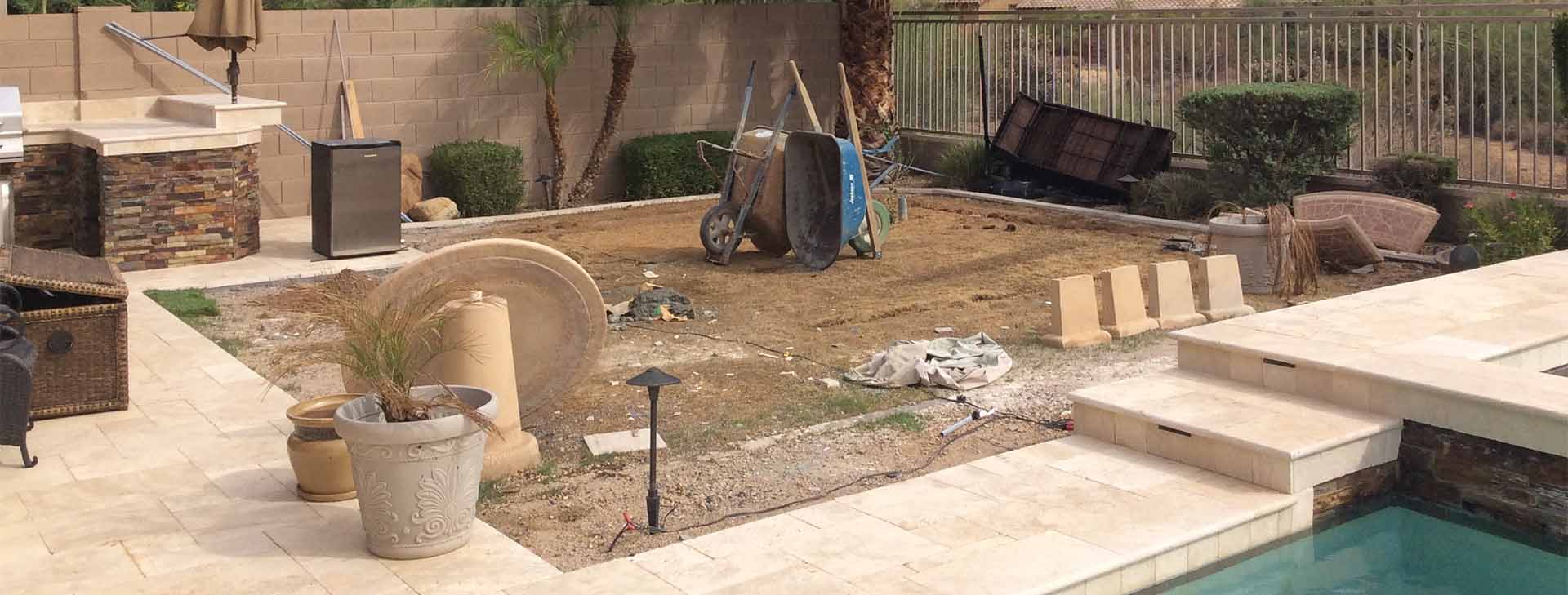
The first visible work usually involves removing existing grass, unwanted landscaping materials or old turf. Crews then excavate as needed and shape the area for the planned base and finished surface. Demolition can take longer when the yard contains roots, substantial rock or materials that require extra hauling.
This is also when site conditions can change the plan. Previously hidden irrigation components, soft spots or unsuitable soil may need attention before work continues. Expect equipment noise, hauling and dust during this stage. Keep children and pets away from the active work area, and ask how adjacent patios, pools and planting beds will be protected.
Example day 2: Build and compact the base
Base preparation creates the support beneath the turf. The crew places and compacts suitable base material, checks surface consistency and establishes the planned slope. Depending on the layout, edge restraints and drainage components may also be addressed during this stage. The required depth and construction details should come from the site assessment, not a one-size-fits-all rule.
This work deserves time even though it will disappear beneath the finished lawn. Turf does not correct a poorly graded yard. In the Phoenix area, planning must account for runoff during monsoon storms, not just the dry conditions present on installation day. Ask where water is intended to go and how the new surface connects to existing drains, hardscape and the house.
Example day 3: Fit, secure and finish the turf
Once the base is ready, crews position the turf, align the pile direction, trim around edges and join sections where necessary. Curved borders, trees, narrow side yards and multiple separate lawn areas add cutting and fitting work. A simple rectangle generally involves fewer layout decisions than an intricate design.
Finishing includes securing the turf and completing the specified infill and brushing process. The crew then removes scraps and cleans the work area. These steps may share a day with base preparation on a straightforward project or extend beyond this example on a more involved installation. Ask when the finished area will be ready for people, pets and furniture rather than assuming it is ready as soon as the turf is laid.
What can change a late-November installation schedule?
Late November generally brings milder working conditions to Phoenix than summer, but the calendar is not a weather guarantee. Rain can leave exposed soil or base too wet to work as planned, and wind can complicate material handling. With Thanksgiving approaching, confirm crew availability and material deliveries before planning a gathering around a projected finish date.
Dry weather does not eliminate the need for drainage preparation: the yard still needs to handle future monsoon runoff. Likewise, pleasant fall temperatures do not represent summer surface conditions. Artificial turf can become hot in direct sun, so discuss shade and intended use while planning the layout, especially for children and pets.
- Restricted access can slow material delivery and debris hauling.
- Unexpected demolition or soil conditions can add preparation work.
- Drainage corrections and changes to the agreed scope can extend construction.
- Weather, material availability and holiday scheduling can shift the start or finish.
Finish with a walkthrough and a written project plan
Before handoff, walk the area with the installer and review the edges, seams, transitions and drainage layout. Ask for care instructions, including how to manage Arizona dust and debris after storms. Keep your estimate, final scope and warranty documents together. Artificial Grass Arizona's turf product carries a 15-year manufacturer warranty; installation labor carries a separate 2-year workmanship warranty.
Artificial Grass Arizona is based in Cave Creek and serves 22 cities across the Phoenix metropolitan area. Installed turf starts at $4.99 per square foot, with final pricing depending on site conditions, access, base preparation, drainage, turf grade and project details. Book a free on-site estimate to get a timeline based on your actual yard rather than a generic day count.
Quick answers.
- How many days does artificial grass installation take?
- A straightforward residential project may take a few working days on site. Removal, access, drainage and layout complexity can extend that time. The wait for a scheduled start is separate from construction time.
- Can artificial grass be installed in one day?
- Some small, straightforward projects may fit into one day, but that should not be assumed before a site assessment. Removal, grading and base compaction still need to be completed properly.
- When can I use the yard after installation?
- Wait for the installer's go-ahead after finishing and inspection. Confirm any timing requirements for the materials used and ask specifically about pets, play equipment and heavy furniture.