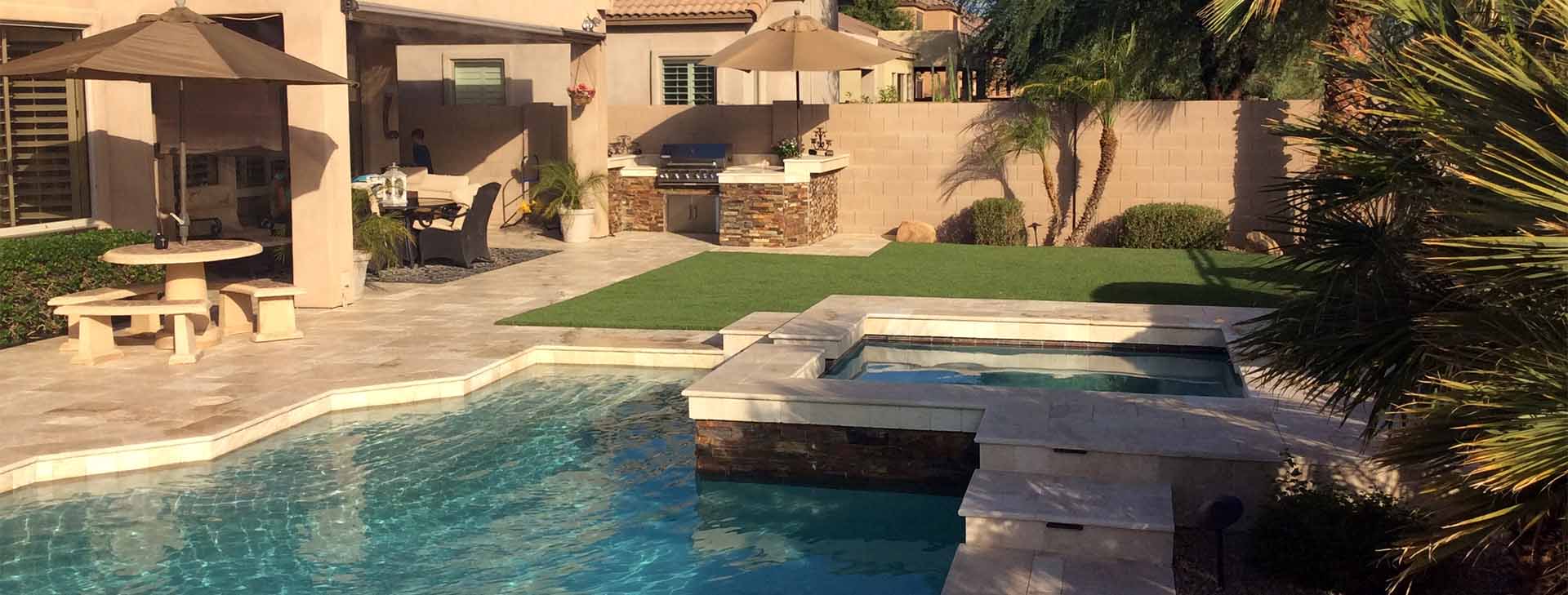
Plan artificial grass seams and edges before cutting
A seam is where two pieces of turf meet. An edge is where turf ends against a patio, walkway, planting bed or another surface. Both deserve a plan before material is cut. Yard shape, roll layout, viewing angles and drainage routes all influence where those lines should fall.
Adjacent pieces should have a consistent blade direction. Turf fibers lean, and pieces facing different directions can reflect light differently, creating a patchwork appearance even when the joint is tight. Ask how the proposed layout will look from your main windows, patio and yard entrance.
Fewer seams can simplify the appearance, but seam count alone does not determine quality. A practical layout balances material use, awkward corners and seam placement. A well-executed join is preferable to a forced layout that creates weak borders or unnecessary scraps.
A clean seam starts below the surface
Turf cannot conceal an uneven foundation indefinitely. Base preparation should create a firm, even surface beneath each join, without a ridge or depression that makes the seam stand out. Drainage planning matters here too: water needs an intentional route through and away from the installation, rather than collecting along a low seam.
During fitting, the adjoining backing edges should meet without overlapping or leaving an obvious gap. The spacing of the fiber rows should look consistent across the join. Overlap can create a raised line; excessive separation can expose backing or leave a visible channel.
The joining materials and installation method should follow the turf system’s requirements, including applicable temperature and curing instructions. Fibers should be kept out of the bond line and brushed free afterward. Do not expect every seam to disappear from every angle, but a prominent ridge, open gap or abrupt change in blade direction deserves attention.
Give every border a deliberate finish
A finished edge needs support and secure attachment appropriate to the adjoining surface. Cutting turf to the outline of a yard is only part of the job. The perimeter should resist lifting and avoid exposed backing, loose flaps or abrupt transitions underfoot.
At patios and walkways, discuss the finished turf height before base work begins. Along planting beds, define how soil and mulch will stay separated from the turf. Around trees, allow for trunk growth and access to irrigation rather than fitting the turf tightly against the bark.
Borders also influence runoff. A continuous restraint can unintentionally trap water if the drainage route is not considered. In Arizona, a neat-looking perimeter should not block the path water needs during a monsoon storm.
Account for Arizona heat, dust and stormwater
Late October is a useful time to assess a yard after the summer monsoon season. Look for sediment deposits, washed-out planting beds and places where water has collected. Those clues can help identify drainage questions before a new base and border hide the existing ground.
Artificial turf can become hot in direct sun. Shade planning and the timing of outdoor use remain important even with a tidy, professionally installed surface. Heat can also cause materials to move, so fitting and securing the turf should follow the product’s installation requirements rather than improvised stretching or fastening.
Desert dust and windblown debris can collect along borders and flatten fibers near seams. Keep adjacent beds contained and drainage outlets clear. Routine cleanup helps preserve the finished appearance, but it cannot correct a poorly supported edge or an uneven base.
Check the details during the final walkthrough
Inspect the yard from normal standing height and your everyday viewing points, then look closely at joins and transitions. Light direction can make a seam more noticeable at certain times of day, so judge the overall finish as well as the construction details.
Ask the installer to explain anything that looks raised, loose or inconsistent before accepting the finished work. A walkthrough is also the right time to confirm care instructions for the specific turf and joining system.
- Check that adjacent turf pieces lean in the same direction and have a consistent appearance.
- Look for open gaps, overlapping backing or fibers trapped along the seam.
- Walk across joins and hardscape transitions to check for ridges or abrupt height changes.
- Inspect curves, corners and planting-bed borders for loose or exposed edges.
- Confirm that drains, irrigation access points and intended runoff routes remain accessible.
Compare installation scope, not just the starting price
When comparing estimates, ask each installer to explain the seam layout, perimeter treatment, base preparation and drainage approach. These details help you understand what is being proposed rather than judging the project by the turf sample alone.
Artificial Grass Arizona is based in Cave Creek and serves 22 cities across the Phoenix metropolitan area. Installed turf starts at $4.99 per square foot; final pricing depends on site conditions, access, base preparation, drainage, turf grade and project details. Its USA-made turf is selected and tested for Arizona’s extreme heat, but it can still become hot in direct sun.
The turf product carries a 15-year manufacturer warranty, while installation labor carries a separate 2-year workmanship warranty. Financing is available. To discuss the seams, borders and drainage needs of your yard, book a free on-site estimate.
Quick answers.
- Should artificial grass seams be completely invisible?
- A well-made seam should blend into the surrounding turf, but lighting and viewing angle can still reveal it. Open gaps, raised overlaps and mismatched blade directions are different from a subtle line visible in certain light.
- Why do artificial grass edges lift?
- Lifting can result from inadequate attachment, shifting support beneath the border or disturbance at the perimeter. Have the cause assessed before simply adding fasteners, because the underlying support or edge detail may need correction.
- Can a visible turf seam be repaired?
- Sometimes. Trapped or flattened fibers may need grooming, while a separated joint or uneven base requires a different repair. An installer should inspect the turf, joining materials and foundation before recommending a fix.